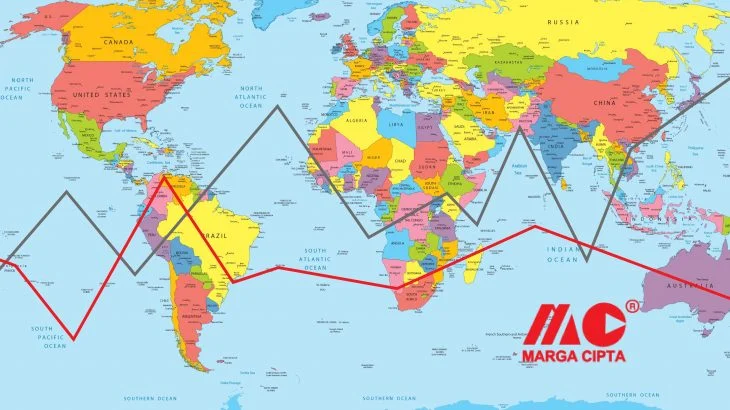
The Global Roller Coaster – Closed for the Season?

MC®

May 10, 2019May 11, 2019 mcwsi


Are the days of monthly acrylic price creep behind us? Are we entering a period of regular price drops? Will price stability level the playing field and reduce the risks of pricing shenanigans? Here we are, one year after our 2018 Global MMA Roller Coaster assessment considering the impact of a reverse pricing trajectory that is challenging purchasing and marketing managers throughout the supply chain.


MMA prices (methyl methacrylate, the raw material used to produce a wide range of products distributed by IAPD members) have declined about 25% since their 2018 peak levels. Some distributors are enjoying richer profit margins while others are losing market share to aggressive players betting the decline will continue.


In short, soft demand, over supply of MMA and the possible threat of trade war tariffs at most levels of the supply chain have played a part in the current trends. Since the 1st Qtr ’19, prices in China have not decreased further indicating some stability. The South East Asian markets, however, continue to show weakness that point to further declines. In fact, we anticipate another price drop in May as South East Asian MMA demand is still oversupplied.


While stocks and output seem to have completed the needed adjustments during the 1st Qtr, the overall softer market does not warrant any price rebound. Any further price drops should not reach the magnitude of the previous quarter. We have probably hit bottom and any China price increase will be offset by other markets.


In the U.S., fires at some Lucite tanks will disrupt domestic supply. The same situation is affecting Brazil. Once those suppliers replenish, and barring any further unforeseen events, prices should remain level through the end of the year.


MARGACIPTA, Asia’s largest cell cast manufacturer, closely monitors MMA prices on a regular basis in order to provide our clients with the latest pricing data. Keep in touch with us or your sales reps as you manage your inventory positions and make smarter purchasing and marketing decisions possible.


Acrylic, MMA Acrylic, Asia, Global MMA, internatiional, MMA, pricing


News Release

Why Cast Acrylic Is Better Than Glass: Benefits You Should Know

Glass has been the standard material for transparent panels in construction, design, and display. But as technology and material innovation evolve, more industries are turning to cast acrylic as a modern, reliable alternative.

So why exactly is cast acrylic better than glass? Let’s explore the reasons in depth.

1. Superior Impact Resistance

One of the advantages of cast acrylic over glass is its strength. Cast acrylic is far more impact-resistant than glass, making it less likely to shatter or break when subjected to force.

This makes it a safer option for both public and private spaces, especially in high-traffic areas or environments involving children or machinery.

In applications where safety and durability are essential, such as protective barriers, aquariums, or architectural feature, cast acrylic is a clear winner.

2. Lightweight and Easier to Handle

Glass is heavy, fragile, and often requires extra manpower or machinery to transport and install. Meanwhile, cast acrylic is up to 50% lighter than glass of the same thickness.

This makes it much easier to handle during installation, reducing labor costs and minimizing the risk of damage during transport.

For projects that require large panels or elevated installations, the lightweight nature of cast acrylic simplifies the process significantly.

Read also: Cast Acrylic vs Extruded, Which One Is Better?

3. Optical Clarity and Light Transmission

Most people knew that glass gives a perfect clarity, but high-quality cast acrylic actually offers better light transmission compared to standard glass.

It doesn’t contain the greenish tint often found in thicker glass panels, resulting in a more color-neutral, crystal-clear appearance.

This makes cast acrylic ideal for applications where visual appeal is essential, such as display cases, lightboxes, and interior design elements.

4. Design Flexibility and Workability

Glass is rigid and difficult to cut or shape without specialized equipment. Cast acrylic, on the other hand, is highly versatile and can be cut, drilled, engraved, and thermoformed with ease.

Designers and fabricators usually like the acrylic's flexibility for custom projects, including signage with unique shapes, 3D structures, or branded displays that require laser cutting or engraving.

5. Weather Resistance and UV Stability

In outdoor applications, cast acrylic performs better over time than many types of glass. It is resistant to yellowing, cracking, and clouding caused by UV exposure.

This makes it an excellent choice for exterior signage, skylights, and facade panels exposed to sunlight and the elements. With proper maintenance, cast acrylic maintains its appearance and structural integrity for years, even in extreme weather conditions.

Read also: Choose the Right Cast Acrylic Color for Your Project

6. Safety and Shatter-Proof

When glass breaks, it can pose a serious safety hazard due to sharp, scattered shards. Cast acrylic, while durable, doesn’t shatter into dangerous fragments.

Even when broken under intense pressure, it tends to crack into large, dull-edged pieces, reducing the risk of injury. For schools, hospitals, retail environments, or exhibition spaces, this makes cast acrylic a safer and more reliable material choice.

7. Cost-Effectiveness in the Long Run

Although cast acrylic may have a slightly higher upfront cost compared to standard glass, it often proves to be more economical over time.

Its durability means fewer replacements, lower maintenance needs, and reduced breakage during transportation or installation.

For businesses and builders looking for long-term value, cast acrylic offers a better return on investment, especially for demanding environments.

While glass has its place in traditional design and architecture, cast acrylic stands out as the smarter, more versatile alternative. It’s lighter, stronger, safer, and more adaptable, offering unmatched value in both functional and aesthetic applications.

At Margacipta Wirasentosa, we supply premium cast acrylic sheets in a wide range of thicknesses, colors, and finishes to suit your unique project needs.

Ready to upgrade from glass to acrylic?

Visit our Instagram for more details about our cast acrylic sheets.

MARGA CIPTA is announce the addition of Pantone's 2023

From the vibrant and bold, to the classic and traditional, color has the power to evoke an emotional response. MARGA CIPTA has been a leader in providing our customers with the highest quality cast acrylic sheet products. We are pleased to announce the addition of Pantone's 2023 Color of the Year, Viva Magenta 18-1750.

Viva Magenta will be perfect for a variety of applications, from color-coding locations and items to make the most of your space. We encourage you to explore all of our acrylic products.

Fabricators, designers, architects and retail clients expect consistency and quality and Marga Cipta's high optical quality acrylic product, great customer service and a responsive production team is your perfect supplier partner.

For more info contact us or your account rep for more details and current prices

Cast Acrylic vs Extruded, Which One Is Better?

Acrylic sheets are a popular material in various industries. It is used from signage and interior design to industrial fabrication. 

However, many people struggle to understand the real difference and what to choose between cast acrylic and extruded acrylic for their projects.

While both materials may look similar at first glance, their performance, durability, and manufacturing quality set them apart.

Read more to know the key differences and explain why cast acrylic sheets are often the superior choice.

What is Cast Acrylic Sheet?

Cast acrylic sheet is made by mixing liquid methyl methacrylate monomer (MMA) with initiators and pouring it into a mold. This process allows the sheet to cure slowly, resulting in a high-quality finish and consistent thickness.

Advantages of Cast Acrylic

  • Higher optical clarity: Make it excellent for display cases and premium applications.
  • Greater chemical resistance: Ideal for laboratories or environments with exposure to solvents.
  • Easier to fabricate: Can be laser cut, machined, and polished with less internal stress.
  • Variety of colors and thicknesses: Better customization options.

Read also: Why Cast Acrylic Is Better Than Glass: Benefits You Should Know

What is Extruded Acrylic Sheet?

Extruded acrylic sheet is manufactured by pushing acrylic resin through a machine into a continuous sheet. This process is faster and more cost-efficient, which makes extruded acrylic widely available and affordable.

Advantages of Extruded Acrylic:

  • Cost-effective: Typically more affordable than cast acrylic.
  • Consistent thickness: Great for applications that require precise dimensions.
  • Good for vacuum forming and thermoforming: Softens faster when heated.
  • Smooth surface: Suitable for printing and general use.

Key Differences at a Glance

Feature

Cast Acrylic Sheet

Extruded Acrylic Sheet

Manufacturing Process

Mold Cast

Machine-extruded

Optical Clarity

Superior

Good

Thickness Tolerance

Slightly less consistent

Highly consistent

Fabrication

Easier to machine and polish

Softer, easier to thermoform

Chemical Resistance

Higher

Lower

Price

Higher

Lower

Which One Should You Choose?

The right acrylic sheet depends on your project needs:

  • Choose cast acrylic if you need superior clarity, better strength, or are doing high-end fabrication or laser cutting.
  • Choose extruded acrylic if you’re working with a tight budget, need consistent sizing, or plan to thermoform the material.

Read also: Choose the Right Cast Acrylic Color for Your Project

At Margacipta Wirasentosa, we provide high-quality cast acrylic sheets tailored for B2B needs. Whether you're producing product displays, signage, furniture, or custom designs, we have the right solution for you.

  • Available in multiple colors & finishes
  • Custom size & cutting options
  • Locally made in Indonesia

Understanding the difference between cast acrylic sheet vs extruded acrylic sheet is essential before starting your next project. Each has its strengths, and choosing the right one can save you time, cost, and effort.

Contact Marga Cipta today or visit our Instagram (@margacipta) for more product details.

How to Clean Acrylic Without Scratching

Acrylic is a popular material used in signage, displays, furniture, and protective panels due to its clarity and lightweight properties. However, cleaning acrylic requires special care. If done incorrectly, it can easily get scratched, reducing its visual quality.

In this guide, we will show you how to clean acrylic without scratching so you can maintain its clarity and extend its lifespan.

1. Remove Dust Before Cleaning

Before applying any liquid cleaner, always remove dust and loose particles from the surface. Dust can act like abrasive material and cause scratches when wiped.

Use a soft microfiber cloth or a gentle air blower to remove debris. Avoid using rough fabrics or paper towels, as they can damage the surface.

Read also: Benefits of Using Clear Cast Acrylic Sheet

2. Use the Right Cleaning Solution

Choosing the correct cleaning solution is crucial. Avoid using glass cleaners that contain ammonia or alcohol, as these chemicals can damage acrylic and cause it to become cloudy.

Instead, use a mild soap mixed with water or a specialized acrylic cleaner. This ensures that the surface remains clear and undamaged.

3. Clean with a Soft Cloth

Always use a clean, soft microfiber cloth when wiping acrylic. Gently wipe the surface without applying too much pressure.

Use a dabbing or light wiping motion rather than scrubbing. Scrubbing can create fine scratches that are difficult to remove.

4. Avoid Circular Motions

While it may feel natural to wipe in circles, this method can create visible swirl marks on acrylic surfaces.

Instead, clean in straight lines, preferably in one direction. This helps maintain a smooth and uniform finish.

5. Dry Properly

After cleaning, dry the acrylic with a separate dry microfiber cloth. This prevents water spots and streaks from forming.

Make sure the cloth is clean and free from dirt to avoid reintroducing particles onto the surface.

6. Handle with Care

Prevention is just as important as cleaning. Avoid placing sharp or rough objects directly on acrylic surfaces.

If the acrylic is used in high-contact areas, consider adding a protective coating or cover to reduce the risk of scratches.

Read also: Does Acrylic Shatter? Find Out Its Strength and Durability

7. What to Avoid

To keep acrylic in the best condition, avoid the following:

  • Paper towels or rough cloths
  • Ammonia-based cleaners
  • Alcohol or solvent-based products
  • Excessive pressure while cleaning

Conclusion

Knowing how to clean acrylic without scratching is essential to maintaining its clarity and appearance. By using the right tools and techniques, you can keep your acrylic surfaces looking new for a long time.

Simple habits such as using microfiber cloths, avoiding harsh chemicals, and cleaning gently can make a significant difference in preserving the quality of acrylic.

Ready to explore your clear cast acrylic options? At Margacipta Wirasentosa, we offer high-quality clear cast acrylic sheets from 100% virgin MMA in various thicknesses and custom sizes to fit your needs.

Reach to our Instagram or download our Product Catalog for more information.